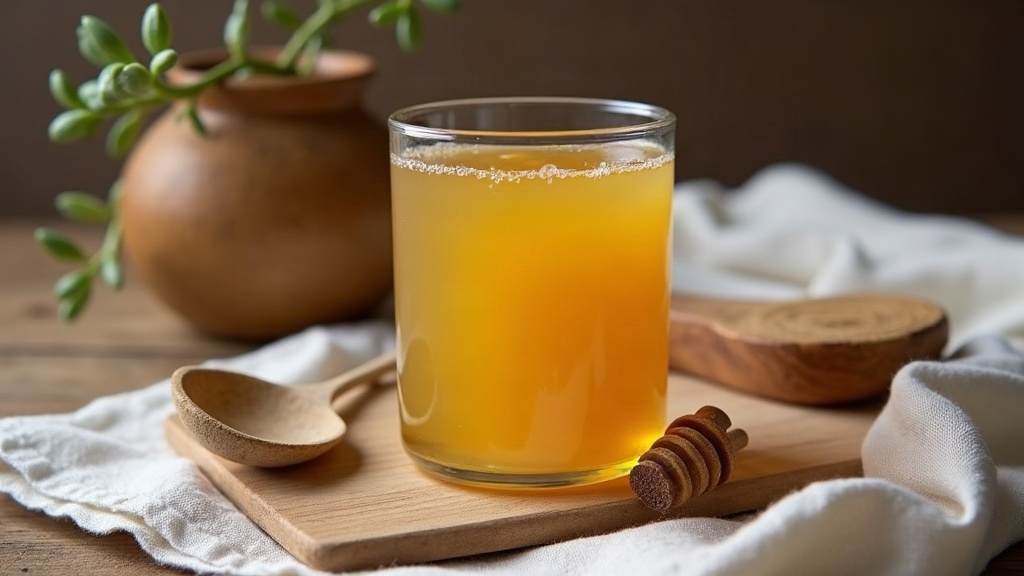
This guide looks at the traditional custom of an herbal tea served alongside Biblical drink (oil)/ Honey blend after a meal — a culinary practice explored purely as food culture and everyday habit, always alongside the guidance of the healthcare professional who follows your care.
What does a typical day around food actually feel like for you?
That sudden dip in the early afternoon, right after a meal that felt perfectly normal at the time.
Waking up already tired, before the day has even asked anything of you yet.
So much conflicting advice floating around that every meal starts to feel like a small research project.
Three times a day, every day — the quiet mental load of planning what goes on the plate.
Which of these have you heard repeated as if they were settled facts?
All carbohydrates are the enemy of a balanced plate.
Carbohydrates are just one part of a bigger meal picture — variety, portion, and pacing matter just as much as the food group itself.
Fruit should be avoided altogether.
Whole fruit, eaten mindfully, has long been part of traditional daily eating patterns in cultures around the world.
There’s a special, separate menu of ‘diabetic food.’
Most traditional home cooking already includes the building blocks of a thoughtful, balanced plate — no separate menu required.
What if the order of your fork mattered as much as what’s on it?
Many traditional eating customs begin a meal with vegetables or protein before moving on to starches — a simple sequencing habit some people find worth exploring, always as part of a plan discussed with their healthcare provider.
Eating at an unhurried pace, chewing thoroughly, and pausing between bites is a quiet habit passed down through generations of home cooking.
A short, easy walk after a meal is a custom found in many cultures — nothing intense, just a few minutes of light movement woven into the day.
Long before nutrition labels existed, oil and honey were staples of daily life across the ancient Mediterranean and Middle East, referenced in some of the oldest written texts we know. Honey sweetened bread and grains; oil was drizzled over vegetables, poured into cooking pots, and shared as a gesture of hospitality at the table. In many households, a warm herbal infusion was the customary way to close a shared meal — a moment of pause before the dishes were cleared. Biblical drink (oil)/ Honey blend draws on that same culinary lineage: a pairing rooted in kitchen tradition, hospitality, and the rhythm of a meal, rather than in any modern laboratory.
This is a story about food culture and tradition — not a therapeutic claim. Any change to your eating habits or care plan should always be discussed with the healthcare professional who knows your history.
If your energy through the day feels meaningfully different than usual, that pattern is worth bringing up with the doctor or care team who follows your health.
If deciding what and when to eat has become unusually stressful or confusing, it's a good topic for your next appointment.
Any noticeable shift in how your daily routine or clothing feels is worth mentioning to the professional who knows your history.
Curious about how a new food or habit might fit your routine? That's exactly the kind of question your doctor or dietitian can help answer.
Big changes to your daily rhythm, like travel or shift work, are a good reason to check in with your care team about your routine.
If something you've read — including this page — makes you want to try something new, talk it through with your doctor before making any changes.
These are individual stories shared for illustrative purposes only. They reflect personal routines, not clinical outcomes, and results and experiences vary from person to person. Always consult your healthcare provider about your own care.
Explore the full story behind Biblical drink (oil)/ Honey blend and the everyday habits that surround it — and remember to keep your doctor or care team in the loop before changing anything about your routine or treatment.
Advertising Disclosure: This page contains sponsored content and affiliate links. We may receive compensation if you click on or make a purchase through links contained on this page. This does not affect the price you pay and helps support the content we provide.
Content Disclaimer: This content is for educational and informational purposes only. It has not been evaluated by the Food and Drug Administration and is not intended to diagnose, treat, cure, or prevent any disease. Nothing on this page constitutes medical advice or replaces guidance from a qualified healthcare professional. Always consult your doctor or another qualified healthcare provider before making any changes to your diet, daily routine, or any prescribed treatment.
Results Disclaimer: Individual results and experiences vary. Any testimonials or stories shared on this page reflect personal opinions and routines and are not a guarantee of any particular outcome or result.
© 2026 · All Rights Reserved